



Everything You Need to Know Before You Move
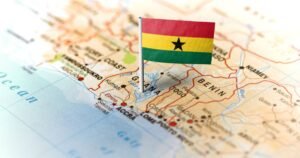
Relocating to Ghana has become an increasingly attractive decision for many Ghanaians living abroad, African diaspora returnees, remote workers, entrepreneurs and families looking for a peaceful, culturally rich and opportunity-filled environment. The country offers stability, warm hospitality, a growing economy and a lifestyle that blends tradition with modern living.
Whether you are moving from the United States, United Kingdom, Canada, Europe or a neighbouring African country, relocation requires careful planning. This in-depth guide provides a clear picture of what it truly means to relocate to Ghana today. It covers housing, cost of living, safety, documentation, work, business, healthcare, shipping and the day-to-day realities of settling in.
This guide is based on real experiences, local knowledge and practical insight into what actually works in Ghana.
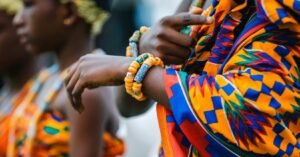
Understanding Life in Ghana
Ghana is welcoming, culturally diverse and known for its warmth. Life here can be both exciting and challenging depending on your expectations. Cities like Accra, Tema and Kumasi offer modern amenities, active social scenes and wide business opportunities. Coastal areas such as Cape Coast and Takoradi provide calmer lifestyles with beautiful landscapes.
Ghana’s pace of life is more relaxed compared to Western countries. People value community, conversations and relationships. The friendliness of the culture makes integration easier, but it also means processes can feel slower than you may be used to abroad. Understanding this balance early sets the right tone for your transition.
Cost of Living: What to Expect
The cost of living in Ghana varies depending on your lifestyle and location. Accra is generally the most expensive city, especially for housing. Rent can range from very affordable in local communities to high-end prices in areas like Cantonments, East Legon, Airport Residential and Labone.
Daily expenses such as food, internet, transport and utilities are manageable, but imported goods tend to be more expensive. Overall, your cost of living will depend on whether you prefer a local lifestyle, a mixed approach or a fully expatriate lifestyle.
A smart strategy is to budget for your first six months before you arrive. This gives you a soft landing and time to make informed decisions without pressure.
Housing and Renting: How to Find a Place
Finding the right place to live is one of the biggest relocation challenges. Rental practices in Ghana may be different from what you are used to. Many landlords prefer one or two years of advance payment, although shorter terms are becoming more common with the rise of modern apartments.
The safest way to find a home is to work with a verified real estate agent who understands the market well. Part of the relocation challenge is avoiding fake agents, duplicate listings and misrepresented properties. Viewing properties in person is essential, and it is wise to inspect areas during both day and evening hours.
For those shipping furniture or planning long-term settlement, unfurnished homes are ideal. For short-term stays or relocation trials, serviced apartments or furnished units offer convenience and flexibility.
Shipping Your Belongings to Ghana
Shipping is one of the most stressful parts of relocation if not handled properly. This includes container shipments, shared cargo, air freight and door-to-door shipping from abroad.
Reliable shipping companies provide clear documentation, tracking information, customs guidance and transparent fees. Poorly structured operators may cause delays, extra charges or lost items. It is important to research shipping timelines because sea freight can take several weeks depending on the route and season.
Choosing a verified shipping and logistics company reduces the risk of unexpected costs and ensures your items arrive safely.
Schooling and Education
Many people relocating with families are concerned about education. Ghana has both public and private schools, including international schools that follow British, American and IB curricula.
International schools tend to be more expensive, but they offer strong academics and multicultural environments. Local private schools provide good quality education at a more affordable cost and help children integrate more easily into the community.
The best approach is to research schools before arriving and schedule visits once you land.
Healthcare and Medical Access
Ghana offers a mix of public and private healthcare facilities. Major cities have well-equipped hospitals and specialist clinics. Private hospitals provide faster service and modern care, although costs can be higher.
If you are relocating permanently, consider enrolling in a health insurance plan or a private membership scheme. Many Ghanaians in the diaspora also choose to keep international travel insurance active for the first year until fully settled.
Medication availability is generally reliable, but you should bring essential prescriptions for the first few months.
Working or Doing Business in Ghana
Ghana has a growing economy with opportunities in real estate, logistics, finance, technology, hospitality, creative industries and agriculture. Networking is crucial because many opportunities are built on relationships and referrals.
If you plan to work for a company, ensure your documentation is in order. If you intend to start a business, register it properly with the Office of the Registrar of Companies (ORC) and be ready to navigate local processes with patience. Ghana rewards those who build relationships and understand the culture.
Many returnees choose to become entrepreneurs because of unmet needs and growing market gaps across different sectors.
Safety and Everyday Living
Ghana is considered one of the safest countries in Africa. However, like all countries, it has areas where extra caution is needed. Petty theft can happen in crowded places, so keeping valuables secure is important.
Public transport is available, but many people rely on ride-hailing services like Uber, Bolt and Yango. Driving is convenient, but traffic can be heavy in major cities. Social life is vibrant, with restaurants, beaches, festivals and cultural events throughout the year.
The key to everyday living is adapting gradually and giving yourself time to adjust.

Building a Social and Professional Network
Relocating becomes much easier when you connect with others. Ghana has active communities for returnees, professionals, entrepreneurs and young families. Joining networking events, business groups, industry communities and social clubs helps you settle faster.
Many people also build strong connections simply by engaging with neighbours, church communities, fitness centres and cultural groups.
Ghana is relationship-driven. A strong network improves your quality of life and opens doors to opportunities.
Why Verification Matters When Relocating
One of the biggest risks new arrivals face is dealing with unverified agents and service providers. Relocating puts you in a vulnerable position because you may not fully understand local systems. That is why verification is essential.
Whether you are searching for a real estate agent, travel consultant, shipping company or business advisor, using a verified directory like AgentHub Ghana helps you avoid:
- Fake listings
- Misleading promises
- Overpriced services
- Scammers targeting newcomers
Verification gives you peace of mind and ensures you start your new life with the right people.
Final Thoughts
Relocating to Ghana can be one of the most rewarding decisions you will ever make. The country is full of opportunity, warmth and growth. With the right preparation, the right information and the right support system, your transition can be smooth and fulfilling.
From housing and shipping to schooling, documentation and daily life, planning ahead makes all the difference. And using verified agents protects you from the challenges many newcomers face.
If you are planning to relocate, explore the verified agents and service providers on agenthubghana.com. It is the safest place to find real professionals you can trust throughout your journey to Ghana.
